
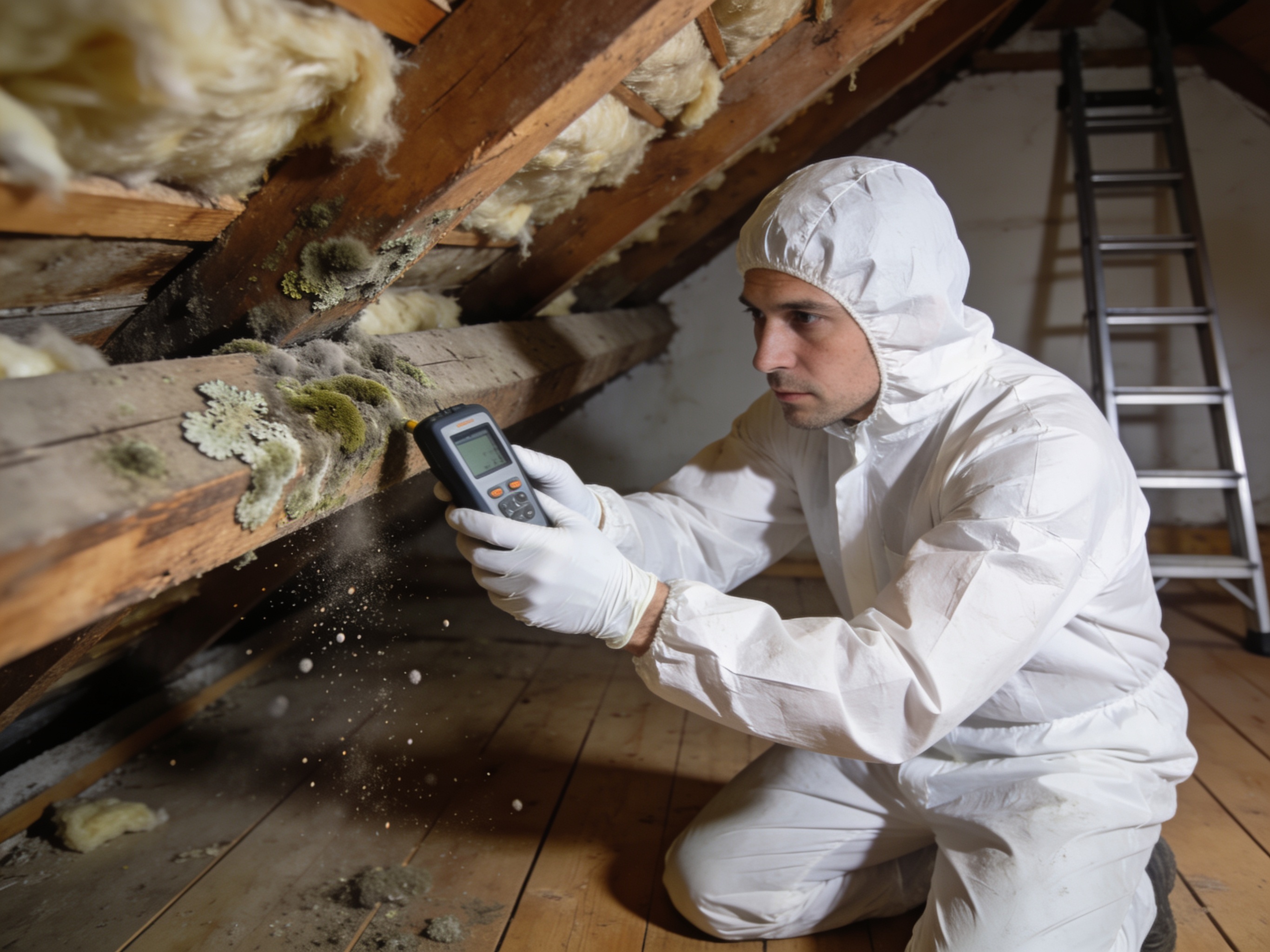
Webster sits on Lake Ontario in Monroe County, where lake-effect snow and summer humidity push moisture into attics of ranches and colonials along Ridge Road and Holt Road. We run attic mold removal from 1925 S Clinton Ave and reach Webster Monday through Friday 8am–6pm or Saturday 9am–2pm. Homes near North Ponds Park and the shoreline often show condensation on roof sheathing once winter temperatures drop, especially in older stock that lacks modern ventilation. We inspect from the hatch, note ice-dam patterns, and give upfront quotes you can walk through before any work starts.
Park Avenue and East Avenue neighborhoods in the city share similar 1920s–1950s housing, yet Webster’s mix of post-war subdivisions and lakefront lots adds extra wind-driven rain and snow load. Charlotte’s lake exposure is comparable, so we treat Webster attics the same way: locate the source, dry the cavity, and leave the workmanship visible for you to inspect. Nearby Brighton, Irondequoit, and Pittsford jobs taught us how Monroe County’s humid continental climate cycles moisture through poorly vented rafters. We stay local, owner-operated, and focused on the actual conditions under Webster roofs rather than generic checklists.
Around Webster
We regularly work near:
- 📍Webster Park on Lake Ontario
- 📍North Ponds Park
- 📍Webster Arboretum
- 📍Ridge Road (NY 104)
- 📍Holt Road
- 📍Webster Thomas High School
Attic Mold Removal in Webster — Local Notes
- •Webster’s 1960s–1980s colonials and ranches along Ridge Road frequently have original kraft-faced insulation that traps lake humidity; we pull it only after confirming the vapor barrier orientation and roof-deck wetness.
- •Lots near Webster Park and the Lake Ontario bluff see heavier snow drifting against north-facing eaves, so ice dams form earlier than in inland Pittsford; we check soffit intake and ridge exhaust before any mold work.
- •Wooded parcels off Holt Road and around North Ponds Park limit ladder placement and dumpster access; we stage from the driveway and protect landscaping rather than assuming open suburban yards.
- •Older farmhouses converted in the 1970s often have mixed roof planes and knee-wall attics that hide mold behind plaster; we open those cavities from inside so you can see the full extent.