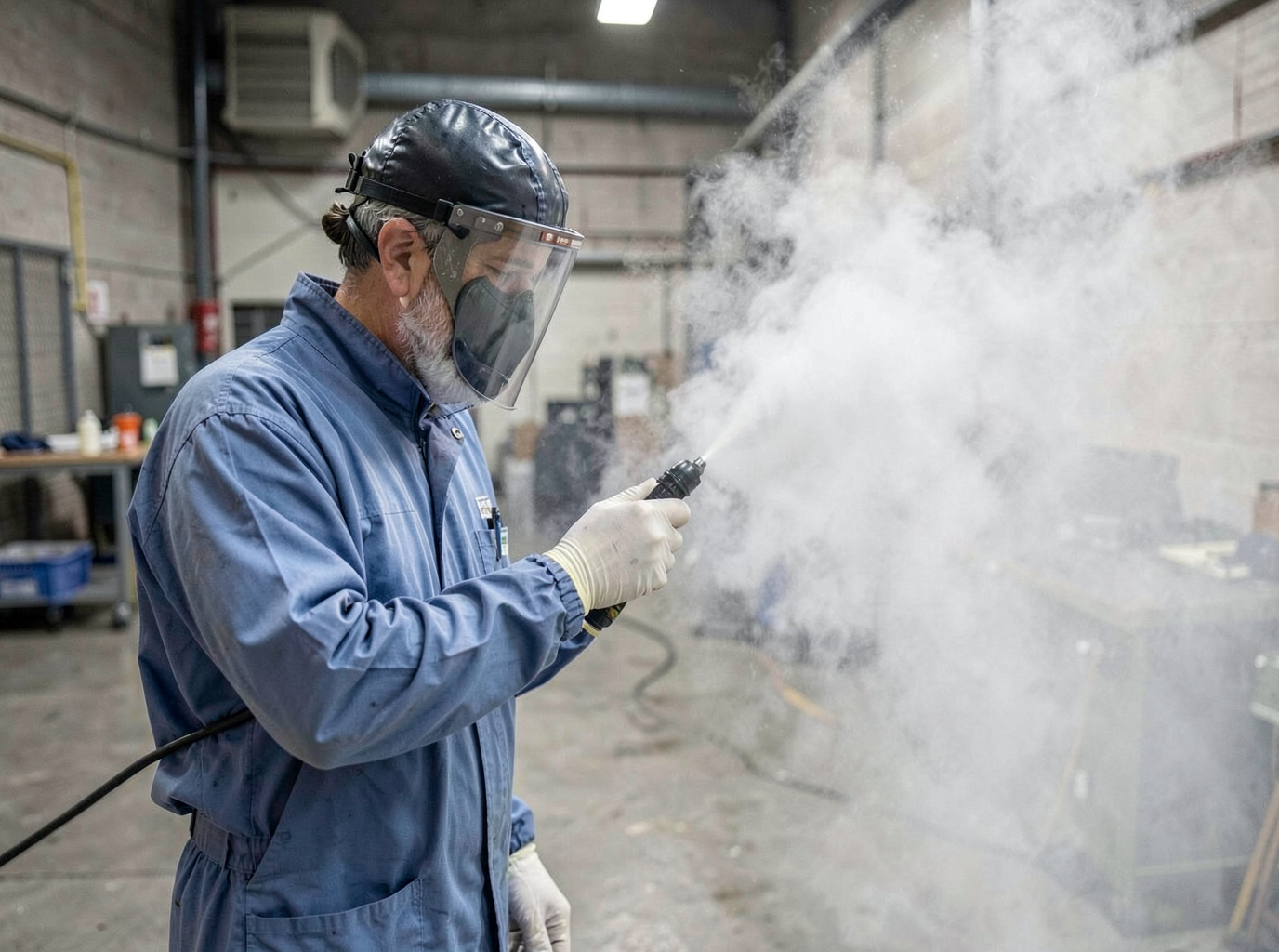
Rochester’s humid continental climate—cold, snowy winters followed by humid summers—loads attics with moisture that ordinary wiping never reaches. Ice dams along Park Avenue and East Avenue rooflines melt, then freeze again, driving water under shingles into the rafter bays of 19th- and early-20th-century houses. Once the visible growth is removed, residual spores hide in insulation, on the back of sheathing, and in the cavities around chimney chases near landmarks like High Falls. Fogging atomizes an EPA-registered antimicrobial into a dry mist that fills those voids without soaking the wood or driving moisture deeper into the assembly. We schedule the work Monday–Friday 8am–6pm or Saturday 9am–2pm from our shop at 1925 S Clinton Ave so the house can air out before the next freeze-thaw cycle.
Older Monroe County stock—balloon-frame Victorians in Charlotte, brick colonials toward Pittsford, and post-war ranches in Irondequoit and Brighton—rarely has continuous air sealing or modern baffles. That means fog cannot be applied like a simple spray; we first confirm the attic is isolated from living space, cover HVAC returns, and protect stored belongings. The mist must dwell long enough to contact every surface yet evaporate before condensation forms on cold roof decks. We choose particle size and dwell time based on the actual temperature and relative humidity we measure on site, not a one-size recipe. Homeowners often assume a store-bought fogger will do; those units leave wet spots that feed the next bloom once snowmelt returns.
Code in New York does not require a permit for antimicrobial fogging itself, but we still document pre- and post-moisture readings and photograph the treated surfaces so you have a record if an insurer or buyer later asks. We never fog over active leaks or wet insulation; that only embeds spores. If ice-dam damage is still feeding the space, we stop and tell you the roof or ventilation must be addressed first. The goal is a dry, treatable cavity, not a chemical cover-up. After fogging we recommend a follow-up moisture check once outdoor temperatures drop again, because Rochester winters will test the work.
Seasonal Timing in Monroe County
Fogging is most effective after the heavy snow season when attics have dried but before summer humidity spikes. We typically see the best results in late spring through early fall, once ice dams have receded and before the next heating season traps moist indoor air in the rafters.
Technician insight
In Rochester the thing that catches most people out with antimicrobial fogging is leftover ice-dam moisture in the sheathing of pre-war houses on Park Avenue and East Avenue. Homeowners fog while the wood is still above 16 percent moisture and the next thaw just feeds a new bloom. We wait until readings drop, then fog; otherwise you are paying twice.
East Avenue ice-dam attic after a heavy snow winter
A homeowner called after black staining appeared on the underside of the roof deck following successive freeze-thaw cycles. We found elevated moisture in several rafter bays but no active leak once the ice dams receded. After the wood dried we isolated the HVAC returns, fogged the entire attic, and left the space ventilated. Follow-up readings stayed in the safe range through the next cold snap.
Antimicrobial Fogging Services We Offer
✓Whole-Attic Antimicrobial Fogging
Complete mist treatment of rafters, sheathing, and insulation after physical mold removal in Rochester attics.
✓Post-Remediation Fogging for Ice-Dam Moisture
Targeted fogging of bays that stayed wet from Park Avenue and East Avenue ice dams once the wood is dry.
✓HVAC Return Isolation and Fogging
Sealing and treating attic spaces that share returns with living areas in older Monroe County homes.
✓Crawl-To-Attic Continuity Fogging
Coordinated treatment when balloon framing lets attic air communicate with walls in Charlotte and Irondequoit houses.
✓Pre-Sale Attic Fogging Documentation
Photo and moisture-log package after fogging so buyers or lenders in Brighton and Pittsford have a clear record.
✓Insulation-Safe Dry-Mist Application
Low-moisture fog chosen so cellulose or fiberglass in Rochester attics is not re-wetted.
Antimicrobial Fogging Cost in Rochester, NY
| Service | Typical Range | What Affects It |
|---|---|---|
| Small attic (under 800 sq ft) fogging | $350–$650 | Straightforward access, dry wood, no HVAC tie-ins |
| Typical Rochester 1,000–1,500 sq ft attic | $550–$950 | Ice-dam staining, older balloon framing, extra isolation |
| Large or cut-up attic with multiple bays | $800–$1,400 | Chimney chases, knee walls, stored belongings to protect |
| Follow-up moisture recheck after fogging | $125–$200 | Optional visit once outdoor temps drop again |
Ranges are typical for Rochester, NY and confirmed with an exact written quote before any work starts.
How it works
- 1
Moisture And Isolation Check
We measure wood moisture and confirm the attic is isolated from living space before any fog is released.
- 2
Surface Prep And Protection
Remaining debris is removed, HVAC openings covered, and stored items protected so the mist contacts only the structure.
- 3
Calibrated Fog Application
Particle size and dwell time are set to the attic’s temperature and humidity so the antimicrobial reaches hidden cavities without soaking wood.
- 4
Dwell, Ventilate, And Recheck
After the required contact time we ventilate, then re-check moisture so the assembly is dry before the next Rochester freeze.
Pricing
Cost tracks attic size, access, and how wet the wood still is after Rochester winters—not a flat per-square-foot guess. We give an upfront range after we see the space.