
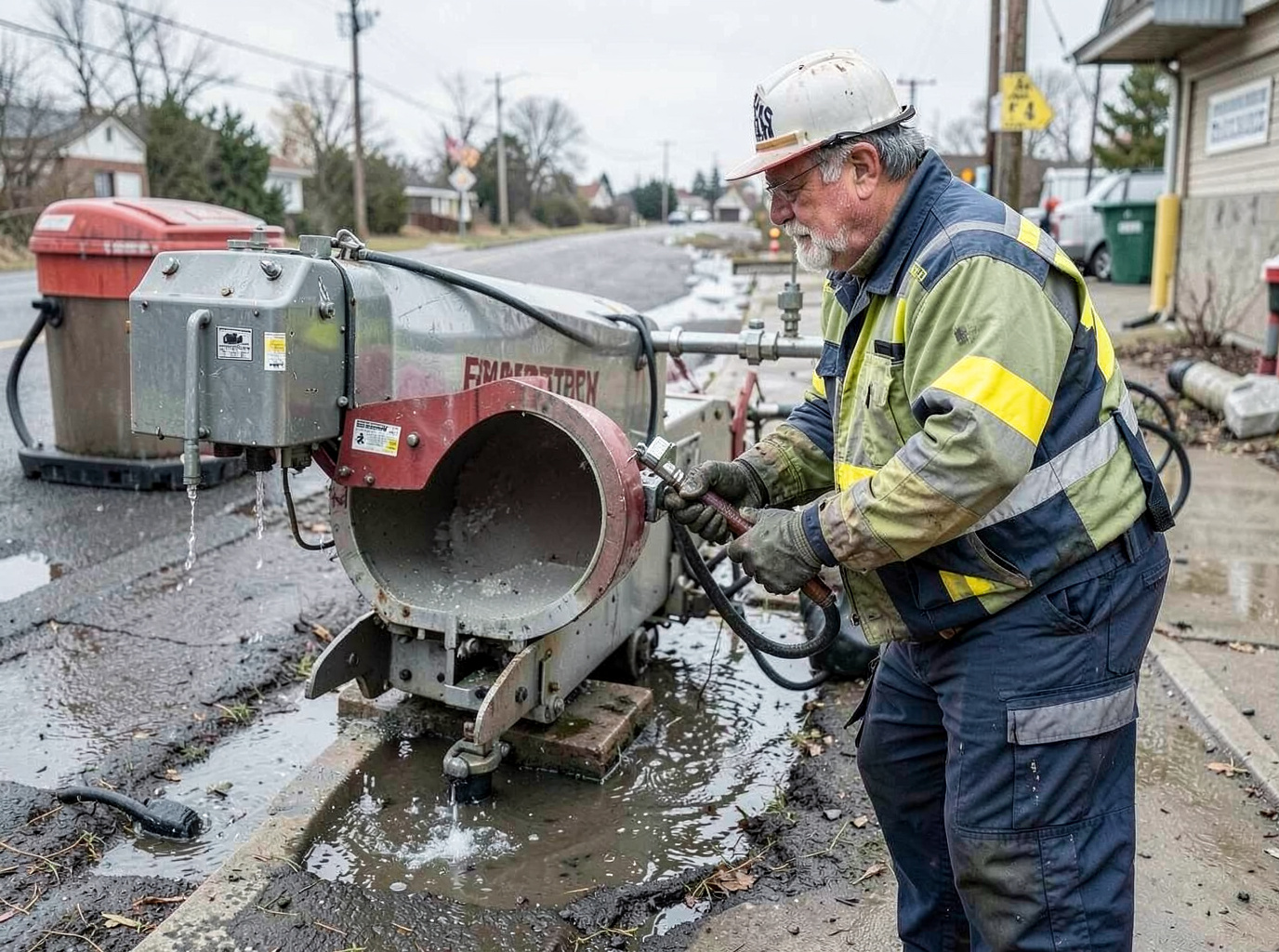
When a pipe bursts in a Park Avenue or East Avenue two-story or meltwater dumps into a Charlotte bungalow attic, the clock starts before mold even shows. Rochester’s humid continental winters pack snow on roofs for weeks; then a thaw or ice dam sends water through sheathing into insulation. We extract standing water and saturated cellulose from attics, eaves, and ceiling cavities so it does not sit against plaster or gypsum overnight. Monroe County housing is mostly pre-war and mid-century stock with limited soffit venting, so water pools in low spots over kitchens and baths. Extraction here means truck-mounted or portable pumps, then targeted wet-vac work in tight rafter bays—not a garden hose and a shop vac.
Ice dams along Brighton and Pittsford ridges and wind-driven melt near Irondequoit Bay are the usual triggers, not just a failed water heater. Water that reaches the attic often tracks along roofing nails and wiring before it drips into living space, so we map moisture with meters rather than guessing from stains. Freeze-thaw cycles make wood swell and then crack; extracting too late leaves insulation that will not dry and will feed mold once indoor humidity returns in spring. We work from 1925 S Clinton Ave with hours Monday–Friday 8am–6pm and Saturday 9am–2pm so after-hours calls still get a same-day extraction window when the weather breaks.
Code-wise, we do not tear into structural members without the homeowner’s go-ahead, and we do not claim we are licensed restorers—we extract water, bag wet insulation, and leave surfaces you can inspect. Edge cases include knob-and-tube still live in older East Avenue attics and blown-in cellulose that holds gallons per bay. We warn against running space heaters on wet wiring and against sealing a wet attic with plastic, which traps vapor against cold roof decks after a High Falls–area nor’easter. Extraction is the first step so mold remediation, if needed later, is not fighting standing water.
Soil around Rochester Public Market–area lots and near the George Eastman Museum can stay saturated after snowmelt, so sump or foundation seepage sometimes shows up in the same visit as an attic leak. We keep extraction equipment staged for Monroe County winters: hoses that will not freeze in the truck, and dehumidifiers sized for closed-up houses that people heat hard after a burst. The job on the ground is always the same sequence: stop the source if it is still flowing, extract, then document remaining moisture so you are not paying to dry what we already pulled out.
Technician insight
In Rochester, the thing that catches most people out with emergency water extraction is ice-dam melt that looks like a small drip at the soffit but has already filled two bays of cellulose over the kitchen. People run a box fan and think it is dry; then March humidity hits Park Avenue plaster and the attic smells. We always meter the north roof slope and the eave—those stay wet longest after lake-effect snow.
Charlotte bungalow ice dam into the attic
Meltwater came through the eaves after a thaw and soaked blown-in insulation over a rear bedroom. Meters showed standing water in two bays and wet plaster below. We extracted the water, bagged the cellulose that would not dry, and left the rafters open to air. The ceiling stain stopped spreading and the homeowner could decide on drying versus later mold work without water still sitting in the attic.
Emergency Water Extraction Services We Offer
✓Attic Standing Water Extraction
Pump and wet-vac water from rafter bays and insulation so Rochester attics do not stay soaked after ice dams or roof leaks.
✓Burst Pipe Water Removal
Extract water from ceilings and floors after freeze-thaw pipe failures common in unheated Monroe County attics and crawl spaces.
✓Ice Dam Meltwater Extraction
Pull meltwater that entered at the eaves in Park Avenue, Brighton, and Pittsford homes before it saturates cellulose and drywall.
✓Ceiling Cavity Water Extraction
Targeted extraction behind plaster and gypsum when water tracked from the attic into living rooms on East Avenue and Charlotte streets.
✓Wet Insulation Removal and Extraction
Bag and remove soaked blown-in or batt insulation so remaining wood can dry instead of staying wet through a Rochester winter.
✓Emergency After-Hours Extraction Dispatch
Same-day extraction during posted hours, including Saturday mornings, when a leak will not wait until Monday in Irondequoit or city neighborhoods.
Emergency Water Extraction Cost in Rochester, NY
| Service | Typical Range | What Affects It |
|---|---|---|
| Small attic or ceiling extraction (limited area) | $250–$600 | Access, insulation type, and how far water tracked |
| Whole-attic wet insulation pull plus extraction | $800–$2,200 | Square footage, cellulose vs batts, roof pitch |
| Burst-pipe multi-room extraction | $500–$1,800 | Floors involved, plaster vs drywall, still-flowing source |
| After-hours Saturday extraction surcharge | $75–$200 | Added to base job when dispatch is outside weekday 8–6 |
Ranges are typical for Rochester, NY and confirmed with an exact written quote before any work starts.
How it works
- 1
Stop The Source And Assess
We confirm the leak is off or contained, then meter attic, ceiling, and floor moisture so extraction targets wet zones, not every room.
- 2
Extract Standing Water
Pumps and wet vacuums pull water from attics, cavities, and floors; we work around knob-and-tube and tight bays typical of older Rochester houses.
- 3
Remove Unsalvageable Wet Material
Soaked insulation and debris that will not dry in our climate is bagged and removed so remaining surfaces can air out.
- 4
Document Remaining Moisture
You get a clear picture of what is still damp so drying or later mold work is based on readings, not stains near High Falls or the lake-effect belt.
Pricing
Emergency water extraction in Rochester is typically priced by how much water, how many stories, and how tight the attic access is—not a one-price flyer. Older Monroe County homes with blown-in insulation and plaster usually cost more than a simple basement puddle. We give an upfront range after we see the job; no invented warranties or insured claims.