
2026-09-03 ·
Checking Attic Ventilation After Heavy Lake Effect Snow
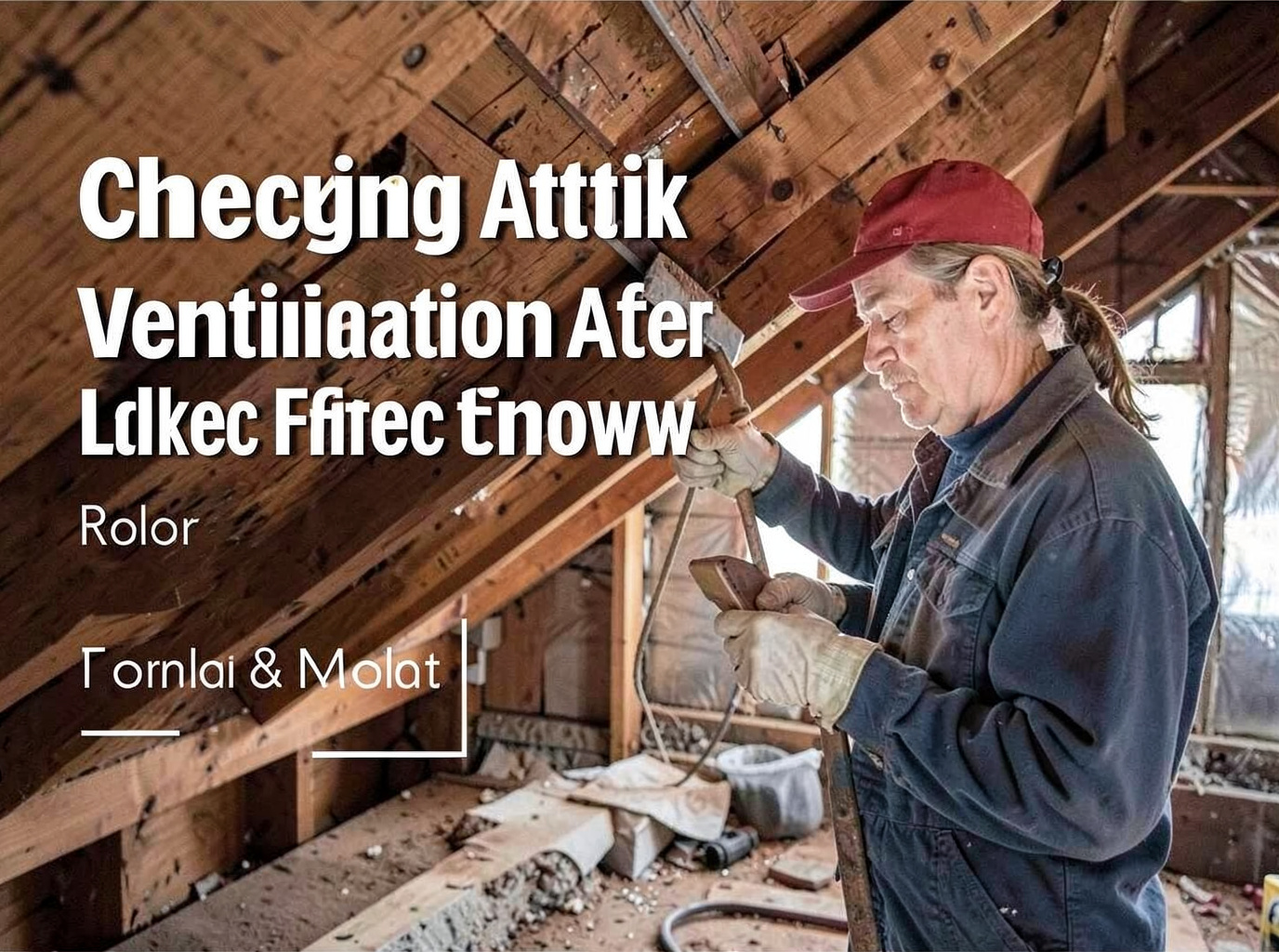
After a heavy lake-effect snow, inspect attic ventilation within 24–48 hours once it is safe to walk the roof or use a ladder. Packed snow on eaves and ridges can block soffit and ridge vents for days. In Rochester’s humid continental climate that blockage traps indoor heat against cold sheathing and starts condensation on rafters from Park Avenue to Charlotte.
Why Lake-Effect Snow Stops Attic Airflow in Monroe County
Monroe County sits in the classic lake-effect belt. Cold air crossing Lake Ontario can drop 12–24 inches overnight on Irondequoit, Brighton, and Pittsford. Snow piles against the eaves of 1920s bungalows near East Avenue and the George Eastman Museum, covering the 2-inch soffit gaps that should let air in. Ridge vents along the peak fill with wind-driven snow. Without intake and exhaust the attic becomes a still, humid box. Older housing stock in these neighborhoods often has original wood framing and cellulose insulation that soaks up that moisture fast. Homes closer to High Falls and the Rochester Public Market sit on slightly lower ground where meltwater lingers longer, adding extra humidity once temperatures rise above 32°F.
The result is the same: warm, moist air from living spaces rises, hits 20°F sheathing, and condenses. You will see frost on the underside of the roof deck the morning after a storm, then dark staining once it thaws. That cycle repeats every time another band of lake-effect snow arrives. Checking ventilation is not optional after these events; it is the only way to keep the attic dry until the next thaw.
How to Inspect Soffits and Ridge Vents After a Storm
Start outside if the snow has stopped and the roof is not glazed ice. From the ground look for continuous snow dams along the eaves that bury the soffit vents. In Charlotte and Park Avenue many houses have decorative fascia that hides those vents completely once 8–10 inches of snow sits on the overhang. Use a roof rake only on the lower 3–4 feet of the roof to open the intake path; never climb a snow-loaded roof yourself. Inside the attic, shine a flashlight along the ridge. A clear ridge vent shows daylight or a dark slot; a packed one looks like a white wall. Check the insulation at the eaves: if it is compressed or wet, air cannot enter even after the snow melts. Note any frost on nails or dark spots on the plywood. Those signs mean you need attic ventilation improvement before the next storm.
Take photos of every blocked section. A typical 1,200–1,800 sq ft Rochester attic needs at least 1 sq ft of net free vent area for every 150 sq ft of floor; snow can cut that ratio in half overnight. If you see ice forming at the drip edge, the same blockage that stops airflow also feeds ice dams. Pair the visual check with a simple moisture meter on the rafters if you have one; readings above 16% mean the wood is already taking on water.
Moisture and Mold Risks in Older Rochester Housing
Most attics in Brighton, Irondequoit, and Pittsford were built before modern vapor barriers. Once soffits stay blocked for 48 hours, relative humidity inside the attic can climb past 70%. Cellulose insulation holds that moisture like a sponge. Within 3–5 days you can find Cladosporium or Aspergillus starting on the north-facing rafters. Homes near East Avenue often have plaster ceilings that hide the first stains until they appear in the bedrooms below. Lake-effect snow also loads gutters; overflowing water then soaks the fascia and travels into the attic through unsealed soffit joints. That is why a post-storm check should include a quick look at ice dam prevention details such as heated cables or extra insulation at the eaves. If you already see staining, schedule an attic mold inspection before the next thaw cycle begins
The same pattern appears every winter: a 20-inch dump, two days of blocked vents, then a 40°F afternoon that turns frost into dripping water. Owners who wait until spring often find 200–400 sq ft of wet insulation that has to come out. Catching the blockage early keeps the job to a simple rake-and-clear instead of full remediation.
When to Call for Hands-On Help
If the ridge vent is packed solid, the soffits are buried, or you see frost on more than a few rafters, do not wait for another band of snow. Attic Mold Removal Rochester Pros works from 1925 S Clinton Ave Monday–Friday 8am–6pm and Saturday 9am–2pm. We can open blocked vents, document moisture, and recommend the next step without guesswork. For homes in Brighton the extra lake-effect load is common; see our notes on Brighton, NY attics. After the snow melts, follow up with the habits in Preventing Attic Condensation in Rochester's Humid Summers so the same vents stay clear year-round. A 30-minute post-storm check now saves weeks of drying later.