
2026-09-03 ·
How Tree Cover Increases Attic Mold Risk in Rochester Neighborhoods
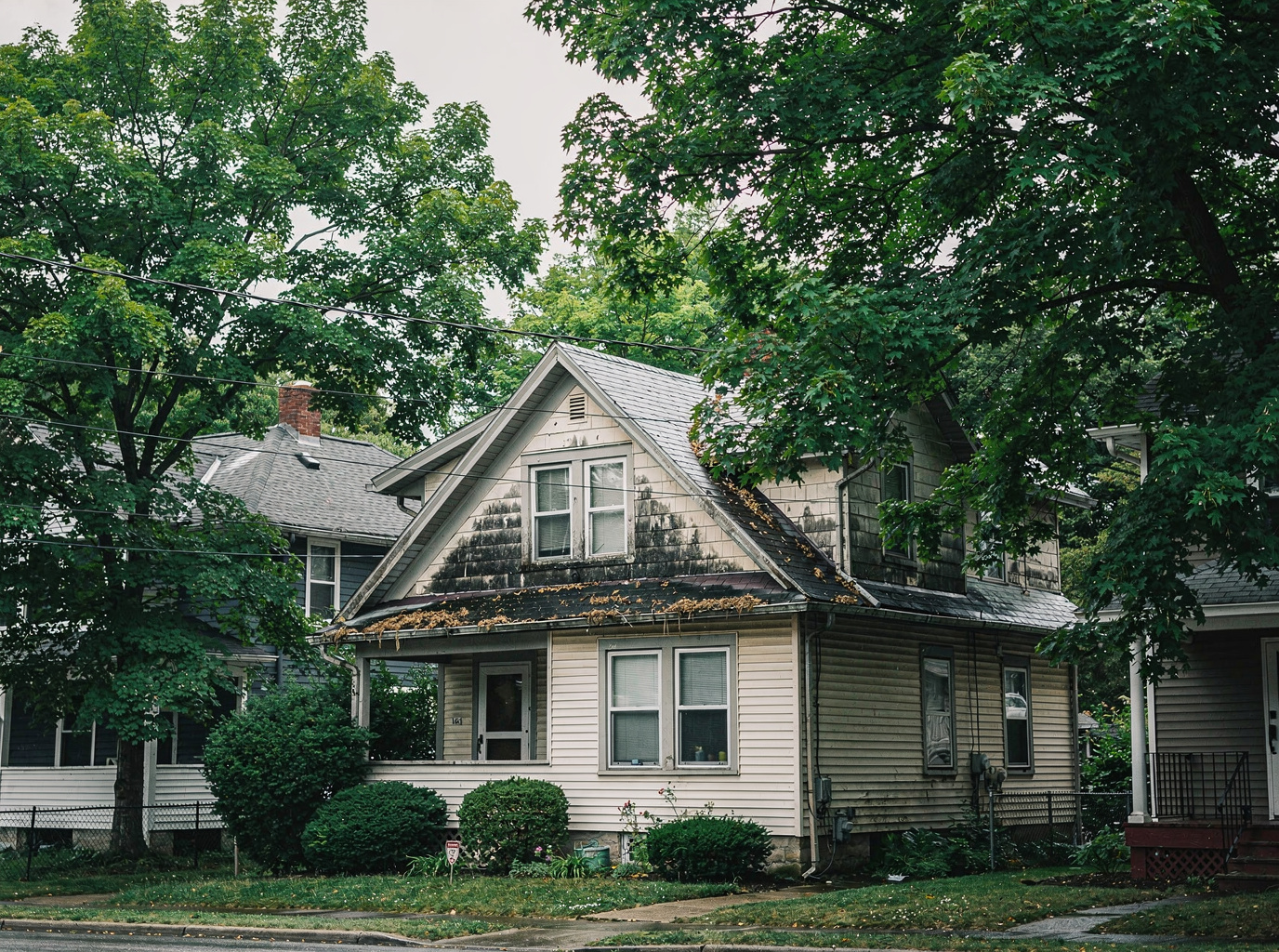
Tree cover increases attic mold risk in Rochester neighborhoods because dense canopies keep roof decks cooler and wetter for hours after rain or snowmelt, limiting evaporation on older homes in Park Avenue, East Avenue, and Charlotte. In Monroe County’s humid continental climate with cold snowy winters, that extra moisture soaks into sheathing and insulation instead of drying. Mature maples and oaks common around the George Eastman Museum and Rochester Public Market drop leaves that clog gutters, while shade prevents solar drying that open lots in Brighton or Pittsford still get. The result is chronic dampness that feeds mold on rafters even when the roof itself looks intact from the street.
Shade and Cooler Roof Decks on Park Avenue and East Avenue
Along Park Avenue and East Avenue the housing stock is mostly early-20th-century wood-frame homes with steep roofs that sit under 60- to 80-foot canopies. Those trees block afternoon sun that would otherwise warm the shingles and drive moisture out of the attic. In Rochester’s climate the same rain event that dries in 4–6 hours on an open Brighton lot can linger 12 hours or more under full shade, keeping relative humidity inside the attic above 60 percent. That is the threshold where mold colonies start on the underside of OSB or plywood. Owners walking past High Falls or the Public Market often notice dark staining only after the fact because the problem starts on the north-facing slopes that never see direct light. A practical check is to feel the roof deck from inside on a sunny October afternoon; if it is still cool and slightly tacky, the trees are doing more harm than the insulation. Linking that observation to attic ventilation improvement usually shows whether soffits are also blocked by the same canopy.
Leaf Litter, Gutters, and Ice Dams Through Monroe County Winters
Once winter temperatures drop, the same trees dump thousands of wet leaves onto roofs in Irondequoit, Charlotte, and Pittsford. Those leaves pack into gutters and valleys, trapping meltwater that refreezes into ice dams. On a typical Monroe County bungalow the dam can back water 3–8 feet under the shingles, soaking the sheathing that already stayed damp from summer shade. The extra weight also compresses cellulose or fiberglass, reducing its R-value and letting interior heat escape, which melts more snow and restarts the cycle. Homes near the George Eastman Museum often have original slate or cedar that is especially vulnerable because the flashing was never designed for modern ice loads. Clearing gutters twice a season and installing heat cables are stop-gaps; the real fix is identifying whether the moisture is coming from the roof or from interior air leaking up. That is why an ice dam prevention visit in November, before the first heavy snow, pays off more than waiting until March. The related article on spring thaw and attic mold in Monroe County walks through what happens when that trapped water finally melts.
Humidity Trapping Under Dense Cover in Charlotte and Irondequoit
Charlotte and Irondequoit sit closer to the lake, so summer humidity already runs high; add a closed tree canopy and the attic becomes a still, warm pocket that never exchanges air. Bathrooms and kitchens in these older houses often vent into the attic rather than outdoors, dumping extra moisture that condenses on the now-cooler roof deck. The combination produces Cladosporium and Aspergillus on the north rafters even when no leak is visible. A simple test is to look for rusty nail heads or dark streaks on the wood; those appear after 2–3 seasons of elevated humidity. In Brighton the same houses with fewer trees show far less staining because solar gain keeps the deck above dew point most days. Owners who schedule moisture source identification before hiring remediation usually discover the trees are only half the story—the other half is missing baffles or a blocked ridge vent. Addressing both at once stops the cycle instead of just cleaning the current growth.
Practical Checks Homeowners Can Do This Season
Walk the property in late September while leaves are still on the trees and note which roof planes stay in shadow after 2 p.m. Then climb into the attic on a dry day and feel the sheathing; any cool, slightly damp spots under those planes are the first warning. Photograph the gutters from a ladder—packed debris is obvious. Inside, look for insulation that has compacted or grown a gray film. If you see either, schedule an inspection during our hours of Mon–Fri 8am–6pm or Sat 9am–2pm at 1925 S Clinton Ave rather than waiting for a musty smell. Neighborhoods like Park Avenue reward early action because the trees will not be coming down, but the ventilation and drainage can still be improved. Homes in Brighton, NY with similar age but less canopy give a useful comparison: the same roof style stays drier when it sees sun. Combining those observations with a professional look at airflow usually keeps the mold from ever taking hold.