2026-09-03 ·
Attic Mold Removal Rochester NY and Child Safety
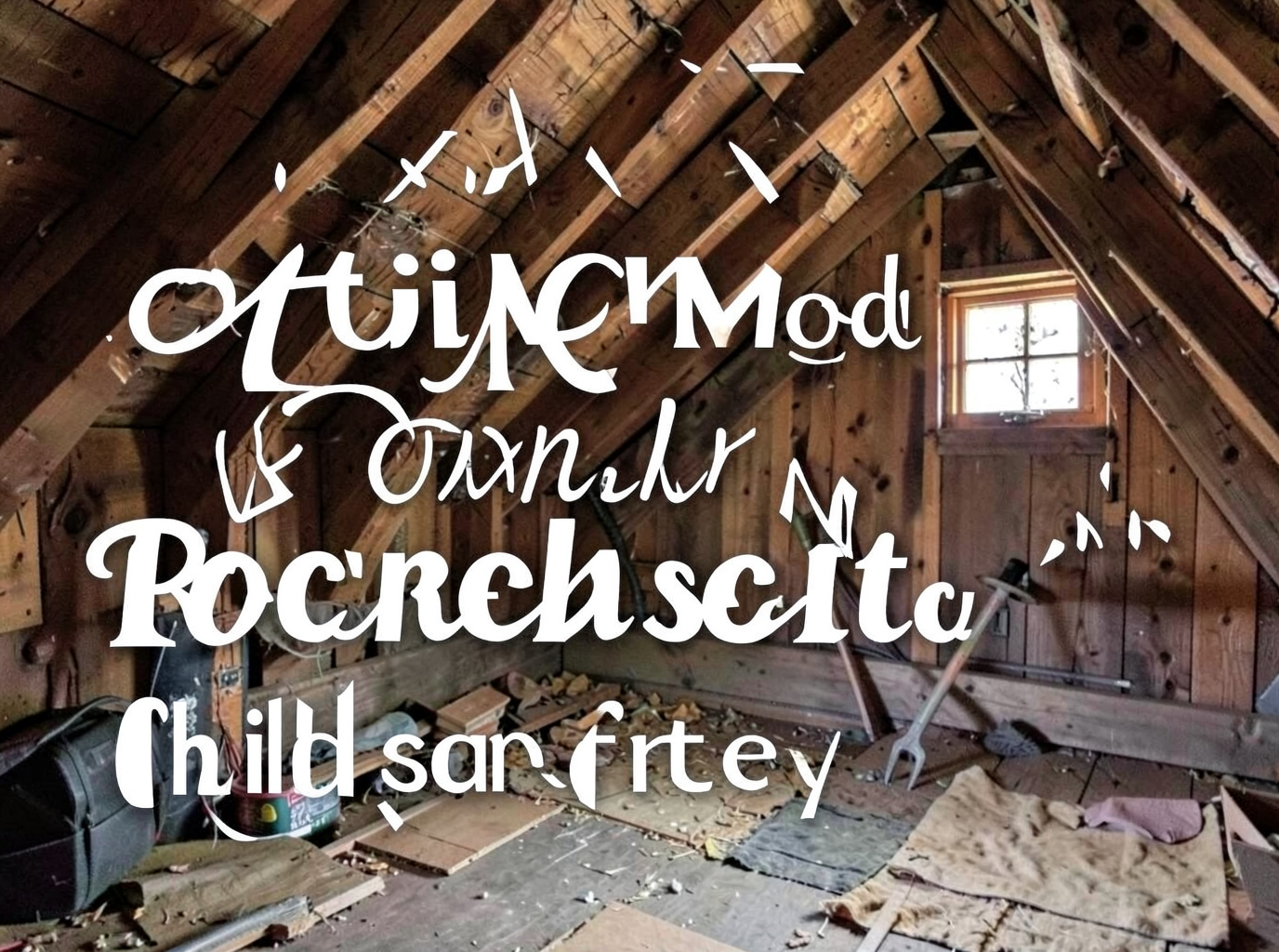
Attic mold removal in Rochester NY protects children when spores and fragments are kept from drifting into bedrooms and play areas below. In Monroe County’s humid continental climate, cold snowy winters drive ice dams and condensation in attics of older Park Avenue, East Avenue, and Charlotte houses; those conditions let Cladosporium and similar growth on rafters and insulation send particles through ceiling gaps, especially when kids spend long hours indoors. Safe work uses containment, HEPA capture, and source drying rather than spraying over growth while children remain in the house. Families in Brighton, Irondequoit, and Pittsford face the same stack-effect pull from heated living space into cold attics after lake-effect snow. The rest of this article maps how exposure happens here, what a careful job looks like around children, and the checks that confirm the attic is actually clean.
Why Rochester Attics Grow Mold That Reaches Living Space
Rochester winters pile snow on roofs from High Falls to the George Eastman Museum neighborhood, then freeze-thaw cycles form ice dams that back water under shingles. Melt and bathroom steam rise into poorly vented attics common in early-1900s stock along East Avenue and Park Avenue. Cellulose or old fiberglass holds moisture against wood, and once relative humidity stays high, mold colonizes sheathing within days. Stack effect then pulls attic air downward through unsealed hatches, recessed lights, and plumbing chases into the rooms children use. Charlotte bungalows near the lake and Brighton colonials with steep roofs show the same pattern after a heavy snow week. Terrain is not steep, but clay soils and poor grading around many Monroe County lots keep foundations damp, adding humidity that eventually reaches the attic. Ice-dam seasons and spring thaw are the two windows when parents first notice musty odors downstairs. Linking winter roof issues to indoor air is why attic mold after ice dam removal in Rochester matters for households with young kids. A moisture map of the attic, not a quick bleach wipe, is what actually stops the particle load.
How Children Encounter Attic Mold in Monroe County Homes
Kids inhale more air per pound of body weight and spend more time on floors and in bedrooms directly under attics. Spores that fall through a leaky hatch or travel with HVAC return air settle on toys, carpets, and bedding. In Irondequoit and Pittsford houses with finished second floors, the ceiling plane is often the only barrier; older plaster and lath has more cracks than modern drywall. Symptoms parents report after a wet winter include lingering coughs, stuffy noses, and worse asthma on days the furnace runs hard. Those are not diagnoses—only a doctor can evaluate a child—but they are the pattern we see when attics stay wet. Surface growth on rafters does not stay in the attic; disturbance from walking, wind, or even a bathroom fan can aerosolize fragments. Mold spore count testing before and after work gives a number parents can compare to outdoor baselines rather than guessing from smell. Homes near Rochester Public Market or along East Avenue often have mixed-age additions, so one wing may be tight while another leaks. Keeping children out of the work zone and sealing the access are the first physical controls, not optional extras.
Containment and Removal Steps That Limit Child Exposure
Work starts with isolating the attic from living space: plastic barriers, taped hatches, and negative air so dust does not blow downstairs. Crews then remove wet or colonized insulation, HEPA-vacuum wood, and treat framing only after the source of water is stopped. Attic mold remediation in this climate also means fixing ventilation so the same rafters do not rewet next January. Children should sleep elsewhere or at least on another floor until clearance sampling shows counts have dropped. Typical attic jobs on 1,200–1,800 sq ft Rochester roofs take 1–3 days of active work plus drying time; parents schedule around school so kids are not home during demolition. We operate from 1925 S Clinton Ave, Rochester, NY 14618, Monday–Friday 8am–6pm and Saturday 9am–2pm, which lets families book daytime hours when children are at school. After removal, new insulation and a sealed hatch cut the path spores used before. Spring thaw and attic mold in Monroe County is the follow-up read for anyone whose roof just finished dripping. No chemical fog is a substitute for dry wood and clean air paths.
Practical Checks Parents Can Make Before and After Work
Look at the attic hatch first: if it is a thin plywood square with no weatherstrip, attic air is already mixing with the hallway kids walk. After a snow event, check for dark staining on rafters or a sour smell at the top of the stairs. In Brighton and Pittsford, many homes still have original knob-and-tube or unsealed can lights that punch holes in the ceiling plane. Ask for photos of the work zone and a written moisture-source note, not just a spray receipt. Post-work, insist on visual clearance plus air or surface samples so you are not relying on “it looks better.” Keep humidity in living space below the range that feeds residual spores; a bathroom fan that actually vents outside helps more than an open window in January. If you are buying in Irondequoit or near Park Avenue, a pre purchase attic check can flag growth before a child moves in. None of this replaces medical advice for a symptomatic child; it only reduces the load coming from the attic. Owner-operated crews who show the wet wood and the dry wood after treatment give parents something they can inspect themselves.